Why Am I So Irritable All the Time? Common Causes and What Helps
Irritability is rarely a personality trait. It's usually a signal that something is depleted: sleep, food, energy, patience or emotional capacity. Finding which one is the fastest way to feel better.

In this article
- What irritability actually is
- Common causes
- Poor or too little sleep
- Chronic stress and overload
- Hunger and blood sugar dips
- Hormonal changes
- Anxiety
- Depression
- Caffeine, alcohol and other substances
- Pain and physical illness
- Unmet needs and unspoken resentment
- 7 steps to feel steadier
- 1. Check the basics first
- 2. Track the pattern for a week or two
- 3. Protect your sleep
- 4. Build in recovery, not just rest
- 5. Name it before it spills
- 6. Use a pause when you feel the spike
- 7. Say the unspoken thing
- A worked example
- Common mistakes
- When to seek help
- Frequently asked questions
- Why am I so irritable for no reason?
- Can irritability be a sign of depression?
- Can lack of sleep make me irritable?
- Why am I irritable before my period?
- How do I stop snapping at my family?
- When should I see a doctor about irritability?
- The bottom line
Key takeaways
- Persistent irritability is usually a sign that something is depleted, such as sleep, food, energy or emotional capacity, rather than a fixed personality trait.
- Common contributors include poor sleep, chronic stress, hormonal shifts, anxiety, depression and substances like caffeine or alcohol.
- Checking the basics first, sleep, food, movement and recovery time, often eases irritability faster than trying to manage the feeling itself.
- Irritability that is new, severe or lasting more than a few weeks is worth discussing with a doctor, since it can be a sign of a treatable condition.
The noise of someone chewing. A slow reply. A question asked for the third time. None of it should matter, and yet each small thing sets something off, and by evening you’re snapping at the people you love and wondering what’s wrong with you.
If you keep asking why you’re so irritable all the time, the answer is almost never “you’re just a bad-tempered person.” Irritability is far more often a signal that something in your system is running low.
What irritability actually is
Irritability is a lowered threshold for frustration: ordinary annoyances trigger a stronger, quicker reaction than the situation warrants. It’s a symptom, not a diagnosis, and it shows up in many conditions, from sleep loss to depression, which is why finding the cause matters more than managing the temper.
Common causes
Poor or too little sleep
Research reviewing sleep and emotion finds that sleep loss is linked with stronger emotional reactivity and weaker regulation. A tired brain has less capacity to absorb frustration, and small things feel bigger.
Chronic stress and overload
Prolonged demands without recovery gradually shorten patience. Research on job demands and resources describes this erosion directly: when you’ve been running on empty, the margin for ordinary annoyances disappears. See why you can’t relax even when nothing is wrong.
Hunger and blood sugar dips
Skipped meals and sharp drops in blood sugar can cause shakiness, fatigue and snappiness that clears once you eat.
Hormonal changes
Shifts across the menstrual cycle, pregnancy, postpartum, perimenopause, thyroid problems and testosterone changes can all affect mood and irritability.
Anxiety
Anxiety keeps the body in a state of mild alert, which makes irritation arrive faster. Irritability is a common but often overlooked symptom of anxiety.
Depression
Depression doesn’t always look like sadness. In many people, especially men and adolescents, it shows up as irritability, short temper and impatience.
Caffeine, alcohol and other substances
Too much caffeine can make you jittery and edgy, while alcohol disrupts sleep and mood the next day. Withdrawal from caffeine, nicotine or other substances can also cause irritability.
Pain and physical illness
Chronic pain, infections and other medical problems can quietly erode patience. Irritability that appears alongside new physical symptoms deserves a medical check.
Unmet needs and unspoken resentment
Sometimes irritability is the surface of something unsaid: a boundary that keeps being crossed, a need that isn’t being met. See how to stop resenting your partner if it’s mostly directed at one person.
7 steps to feel steadier
1. Check the basics first
Ask honestly: Did I sleep enough? Have I eaten? Have I moved today? Have I had too much caffeine? These four questions explain a surprising amount of irritability.
2. Track the pattern for a week or two
Note when irritability peaks, what happened before and how you slept. Patterns, such as late afternoons or certain days of the month, often point straight at the cause.
3. Protect your sleep
Keep a regular schedule, reduce late caffeine and screens and give yourself a wind-down routine. If sleep is the problem, see why you feel more anxious at night.
4. Build in recovery, not just rest
If stress is the driver, small recovery breaks during the day, a walk, a few minutes without a screen, protect your patience more than a single big break later.
5. Name it before it spills
Learning to say “I’m irritable right now, and it’s not about you” gives you and others a way to slow things down. For the wider skill, see emotional regulation basics.
6. Use a pause when you feel the spike
One slow breath, unclenching your jaw and stepping away for a minute can interrupt the snap before it happens. See how to stop overreacting.
7. Say the unspoken thing
If irritability is mostly directed at one person or situation, ask what’s being left unsaid, and raise it calmly instead of letting it leak out sideways.
A worked example
Dan notices he’s snapping at his family most evenings and feels guilty about it.
- Basics: he realises he’s sleeping about five and a half hours and skipping lunch.
- Track: a week of notes shows the worst irritability hits around six, after a long day without food or a break.
- Sleep: he moves bedtime earlier by half an hour.
- Recovery: he adds a fifteen-minute walk after work and a proper lunch.
- Name it: he tells his family, “I’m running low by evening, and it’s not about you.”
Within two weeks, the evening snapping drops sharply, without Dan needing to “try harder” at being patient.
Common mistakes
- Treating it as a character flaw. It’s usually a signal of depletion.
- Pushing through on little sleep and no breaks. It makes irritability worse.
- Ignoring physical causes. Thyroid problems, hormones and medication side effects are common and treatable.
- Taking it out on the people closest to you and moving on. Repair matters; see how to have a difficult conversation.
- Waiting too long to get help. Irritability that lasts weeks is worth a conversation with a doctor.
When to seek help
Talk to a doctor or mental health professional if:
- irritability is new, severe or has lasted more than a few weeks,
- it comes with low mood, hopelessness, anxiety or loss of interest,
- it’s affecting your relationships, work or safety,
- you notice physical symptoms such as heavy fatigue, weight changes or heart palpitations,
- you have thoughts of harming yourself or others.
Irritability tied to depression, anxiety, hormones or burnout is treatable. The National Institute of Mental Health can help you find care. If you are in crisis, contact your local emergency number or, in the United States, call or text 988. See our disclaimer.
Frequently asked questions
Why am I so irritable for no reason?
There is usually a cause, even if it isn’t obvious: poor sleep, stress, hunger, hormones, anxiety or low mood are the most common.
Can irritability be a sign of depression?
Yes. Depression often shows up as irritability and a short temper, particularly in men and adolescents, rather than visible sadness.
Can lack of sleep make me irritable?
Yes. Research links insufficient sleep with stronger emotional reactivity and lower tolerance for frustration.
Why am I irritable before my period?
Hormonal shifts across the menstrual cycle can affect mood. If it’s severe, a doctor can check for premenstrual conditions.
How do I stop snapping at my family?
Check sleep, food and stress first, name your state out loud before it spills and use a brief pause when you feel the spike.
When should I see a doctor about irritability?
If it’s new, severe, lasts more than a few weeks or comes with other symptoms, it’s worth having it checked.
The bottom line
Irritability is a signal, not a personality. Check sleep, food, stress and recovery first, name the feeling before it spills and get medical advice if it’s new, severe or lasting. When the underlying cause is addressed, patience often comes back on its own.
References & sources
- The role of sleep in emotional brain function . Annual Review of Clinical Psychology, 10, 679–708, 2014.
- Irritability in children and adolescents: Past, present and future . Journal of Child Psychology and Psychiatry, 2016.
- Job demands-resources theory: Taking stock and looking forward . Journal of Occupational Health Psychology, 22(3), 273–285, 2017.
- Caring for Your Mental Health . National Institute of Mental Health.
This article is for general information and education. It is not medical advice and cannot replace care from a qualified professional. Read our disclaimer.
Related reading

Why Do I Shut Down During Conflict? Understanding the Freeze Response
Going quiet mid-argument isn't coldness or indifference. It's often a 'freeze' response, an old, automatic strategy for surviving conflict that feels too intense to face head-on.
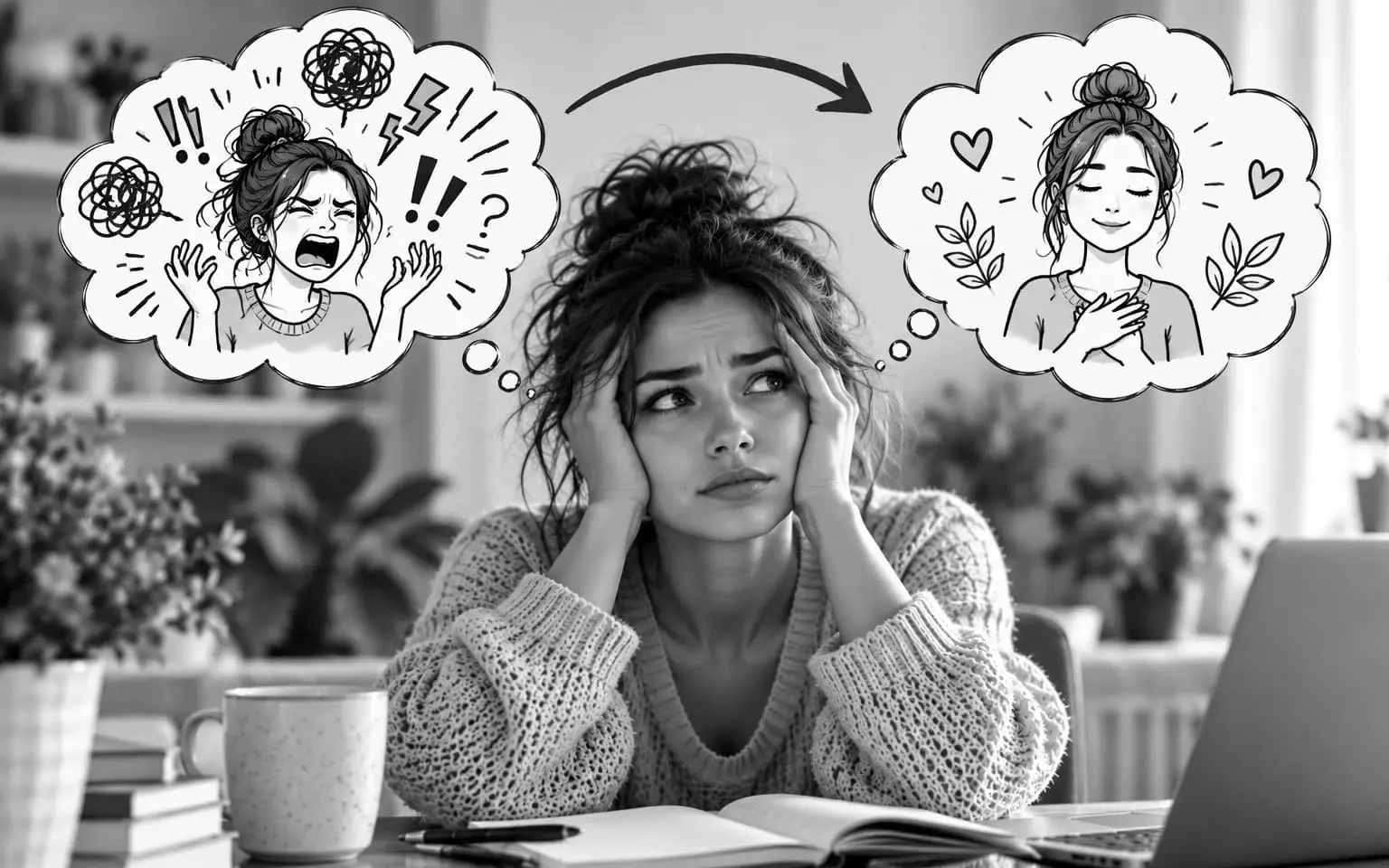
How to Stop Overreacting: 8 Ways to Respond Instead of React
A dropped glass, a curt text, a small criticism, and suddenly you are furious or in tears. Overreacting has causes, and you can learn to widen the gap between trigger and response.
Emotional Regulation Basics: What It Means and How to Practise It
Emotional regulation isn't about suppressing feelings. It's about responding to them skilfully. A plain-language introduction with practical starting points.
More in Emotional Health
All Emotional Health →

Editor’s picks


The Clear Mind letter
One considered essay, now and then.
No streaks, no urgency. A short note when we publish something worth your attention.