Anxiety & Stress
How to Stop Overthinking: A Calmer Way to Handle a Busy Mind
Overthinking feels like effort, but it rarely gets you anywhere. Here is how to tell useful thinking from the kind that only circles — and what to do instead.
Psychology, made clear.
Overthinking feels like effort, but it rarely gets you anywhere. Here is how to tell useful thinking from the kind that only circles — and what to do instead.

When anxiety spikes, you don't need a theory. You need something that works in the next few minutes. Here are nine techniques, why they help, and how to choose between them.
Latest What Is Survivorship Bias? Why Success Stories Mislead Us
Latest How to Stop Googling Your Symptoms: 7 Ways to Break the Cyberchondria Cycle
Latest How to Stop Fighting About Chores: 8 Steps for a Fairer Home
Latest Why Do I Get Overstimulated So Easily? Causes and 8 Ways to Cope
Latest How to Stop Feeling Like You Don't Fit In: 7 Ways to Find Your Place
Latest How to Stop Stress Eating: 8 Habits That Break the Cycle
Latest How to Enjoy Your Own Company: 8 Ways to Be Alone Without Feeling Lonely
Latest How to Stop Bedtime Stalling: 8 Ways to End the 'One More Thing' Loop

Being comfortable alone is a skill, not a personality type. Solitude you choose, with something to do or feel, can restore you in ways company cannot, and it gets easier with practice.

Stress eating is not a lack of willpower. It is a quick, learned way to soothe a stressed body. Pausing, naming the need and building other ways to settle yourself loosen the habit.
We study the winners because they are visible, and forget the many who did the same things and failed. Survivorship bias quietly distorts how we judge advice, investments and our own chances.
Overstimulation happens when your nervous system takes in more than it can process. Sensitivity, stress, tiredness and neurodivergence all lower the threshold, and small changes can raise it again.
Most people do not fail at drinking water because of willpower. They fail because nothing reminds them. Tie water to things you already do and make the glass impossible to miss.
Curated by the editors
Why do we defend choices we know are flawed, or change our beliefs to fit what we have already done? The answer is a classic idea in psychology: cognitive dissonance.
Slower, deeper companions to what we publish here — workbooks and guides written to be used, not just read.
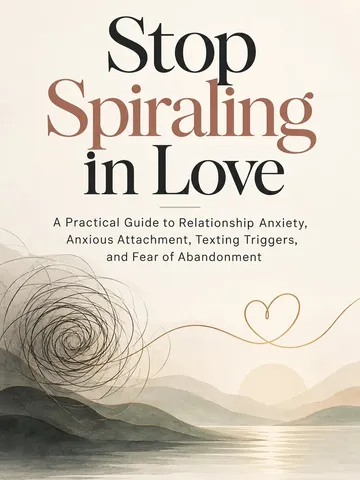 Available Stop Spiraling in Love A Practical Guide to Relationship Anxiety, Anxious Attachment, Texting Triggers, and Fear of Abandonment
 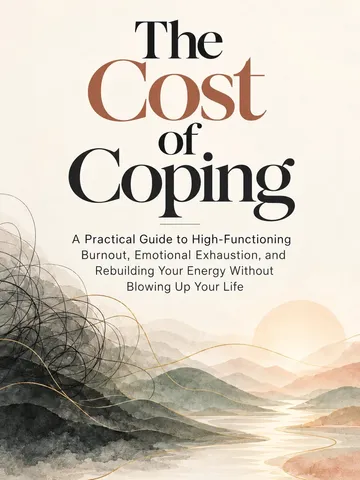 Available The Cost of Coping Burnout, Emotional Exhaustion & Recovery Guide
 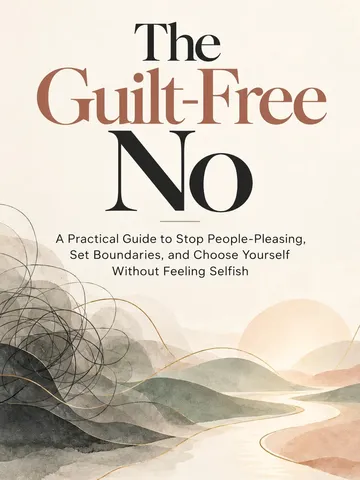 Available The Guilt-Free No: Stop People-Pleasing, Set Boundaries & Say No Without Guilt A Practical Guide to Stop People-Pleasing, Set Boundaries, and Choose Yourself Without Feeling Selfish
 The Clear Mind letter
No streaks, no urgency. A short note when we publish something worth your attention.